Mill Guide

Stone-Ground Cornmeal for Cornbread, Dredging, and Everyday Cooking

This is the main cornmeal guide for Homestead Gristmill. If you are comparing yellow cornmeal, white cornmeal, blue cornmeal, cornbread meal, dredging meal, or a corn product you can also use for polenta, this page is meant to give you the full picture before you click into a single product.

Stone-Ground Cornmeal for Cornbread, Dredging, and Everyday Cooking field note
Field note01

How to Choose the Right Cornmeal

Many people land here before they have finished choosing a color, a grind, or a use case. They are not always ready for a single product page. Sometimes they want the best cornmeal for cornbread. Sometimes they want to know whether yellow or white belongs in the recipe. Sometimes they are comparing grocery-store cornmeal with a fresher, more flavorful option and want to know if the difference is real.

That is why this page sits above the individual product pages. The yellow and white pages can stay focused on their specific products, while this guide helps with the bigger family-level choice. It gives you one place to compare the corn styles before you settle on the bag you want.

Homestead Gristmill mills corn products for cooks who actually care how the final pan, bowl, or crust tastes. The goal is not to sell a generic dry pantry item. The goal is to help you choose the cornmeal that best fits cornbread, dredging, muffins, hush puppies, spoonbread, or a pot of corn-rich polenta when you want the grain itself to come through.

Field note02

What Stone-Ground Changes in Flavor and Texture

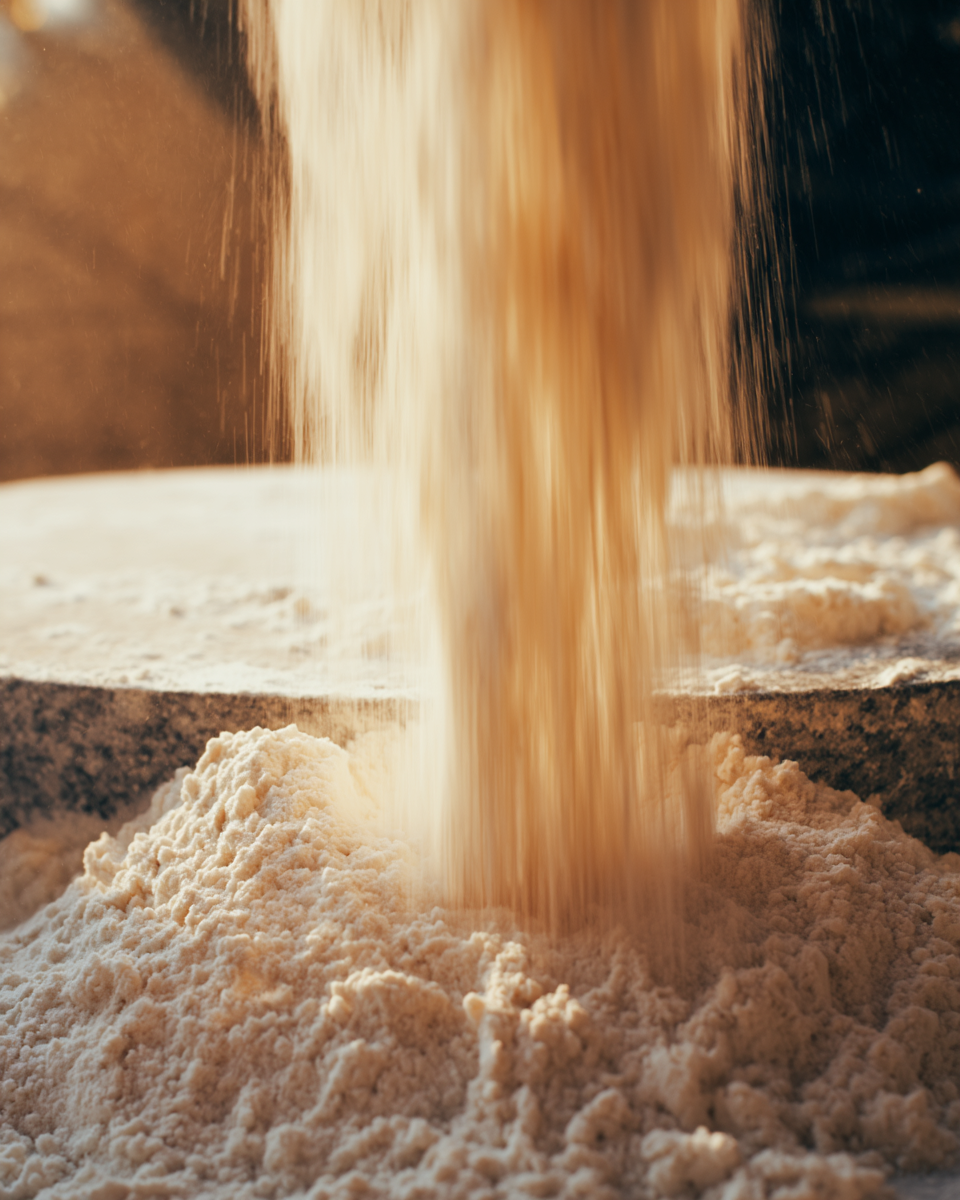
Stone-ground cornmeal usually carries more texture and more corn aroma than highly refined commodity meal. That difference shows up fast in the kitchen. Batter smells richer. Cornbread tastes more like corn and less like a neutral starch. Even simple uses like dredging or skillet cakes pick up more personality.

The grind matters because it changes how the meal hydrates and how the finished crumb behaves. A stone-ground product often gives you more bite, more variation, and a more rustic texture in the final bake. That does not automatically make it better for every recipe, but it does make the choice more deliberate and more suited to cooks who want flavor instead of sameness.

Freshness matters too. When people say they want fresh stone-ground cornmeal, they are usually describing a product that feels alive when the bag opens. It smells like grain. It bakes like an ingredient worth paying attention to. If the goal is better cornbread, better mush, better dredging, or better corn flavor in general, those details are not ornamental. They are the reason to buy this kind of product in the first place.

Field note03

Yellow vs White vs Blue Cornmeal

Yellow cornmeal is often the first stop because it delivers the most familiar cornbread profile for many Southern cooks. It brings stronger color and a fuller corn note, which makes it an easy fit for skillet cornbread, hush puppies, fried coatings, muffins, and recipes where you want the meal itself to show up clearly in the bite.

White cornmeal is milder and a little softer in personality. If you want a lighter-looking cornbread, a more neutral dredge, or a corn product that does not dominate the rest of the dish, white cornmeal is usually the better pick. That makes it especially useful for cooks who like subtler corn flavor or who want their dairy, herbs, or savory mix-ins to lead.

Blue cornmeal brings the most visual distinction and a different feel on the plate. It is often chosen because it looks striking, but it also brings its own deeper profile. If presentation matters, if you want to build a menu around a more memorable grain, or if you simply enjoy the variety of heirloom-style corn products, blue cornmeal is the option that makes the meal feel the most intentional.

  • Choose yellow for classic cornbread and a stronger corn flavor.
  • Choose white for a gentler finish and lighter-looking baked goods.
  • Choose blue when you want visual contrast and a more distinctive pantry option.
Field note04

Best Uses: Cornbread, Dredging, Polenta, and Everyday Cooking

For cornbread, the right choice depends on what kind of pan you want to pull from the oven. If you want bold color, crisp edges, and a pan that announces itself as cornmeal-forward, yellow is often the lead choice. If you want a more restrained crumb or a cleaner canvas for buttermilk, cheese, bacon, or herbs, white can be the better lane.

For dredging and breading, stone-ground cornmeal adds real crunch and corn flavor, especially on fish, okra, vegetables, and skillet-fried dishes. A coarser-feeling meal can make the crust more interesting, but the bigger win is taste. Even a simple coating feels less generic when the meal has more life in it.

For polenta or other spoonable corn dishes, stone-ground cornmeal can absolutely work, but it helps to compare this page with the dedicated polenta and grits routes. Some shoppers want one corn product that can stretch across several dishes. Others want the cleanest path to a specific texture. The linked comparison guides and neighboring pages are there so you can make that choice without guessing.
Field note05

Storage, Shipping, Pickup, and Related Pages

Stone-ground cornmeal rewards good storage because freshness is part of the value. Keep the bag cool and dry, and if you are buying ahead, refrigeration or freezing can help protect flavor longer. The related storage guide linked above goes deeper, but the short version is simple: treat fresh meal like something worth preserving, not like a box that can sit untouched forever.

If you are close to Waco, the mill store gives you a local pickup option and a direct way to buy cornmeal from the place that mills it. If you are farther away, this page still works well because you can compare products here, jump into the individual product pages, and order online for nationwide shipping without losing the context that tells you which one to choose.

This page also ties together the linked product pages, the cornbread recipe, the grits and polenta guides, and the comparison pages. The goal is simple: keep the corn choices easy to compare instead of scattering the same questions across a bunch of disconnected pages.

FAQCommon questions

01What is the difference between stone-ground cornmeal and regular cornmeal?

Stone-ground cornmeal usually keeps more corn flavor and more texture than heavily refined commodity meal, which is why it often performs better in cornbread, dredging, and grain-forward cooking.

02Is yellow or white cornmeal better for cornbread?

Yellow cornmeal usually gives you a stronger corn flavor and deeper color, while white cornmeal is milder and lighter. The better choice depends on the style of cornbread you want.

03Can I use stone-ground cornmeal for polenta?

Yes. Many cooks use stone-ground cornmeal for polenta, though you may prefer the dedicated polenta page if you want the most direct path to that texture and serving style.

04Where can I buy stone-ground cornmeal near me?

If you are near Waco, Texas, you can visit the Homestead Gristmill store for local pickup. If you are not nearby, you can order stone-ground cornmeal online for nationwide shipping.

Related mill paths

Use these if you are still comparing grains, flour, recipes, or pickup at the Waco mill.