Freshness Guide

How to Store Stone-Ground Cornmeal So It Tastes Fresh Longer

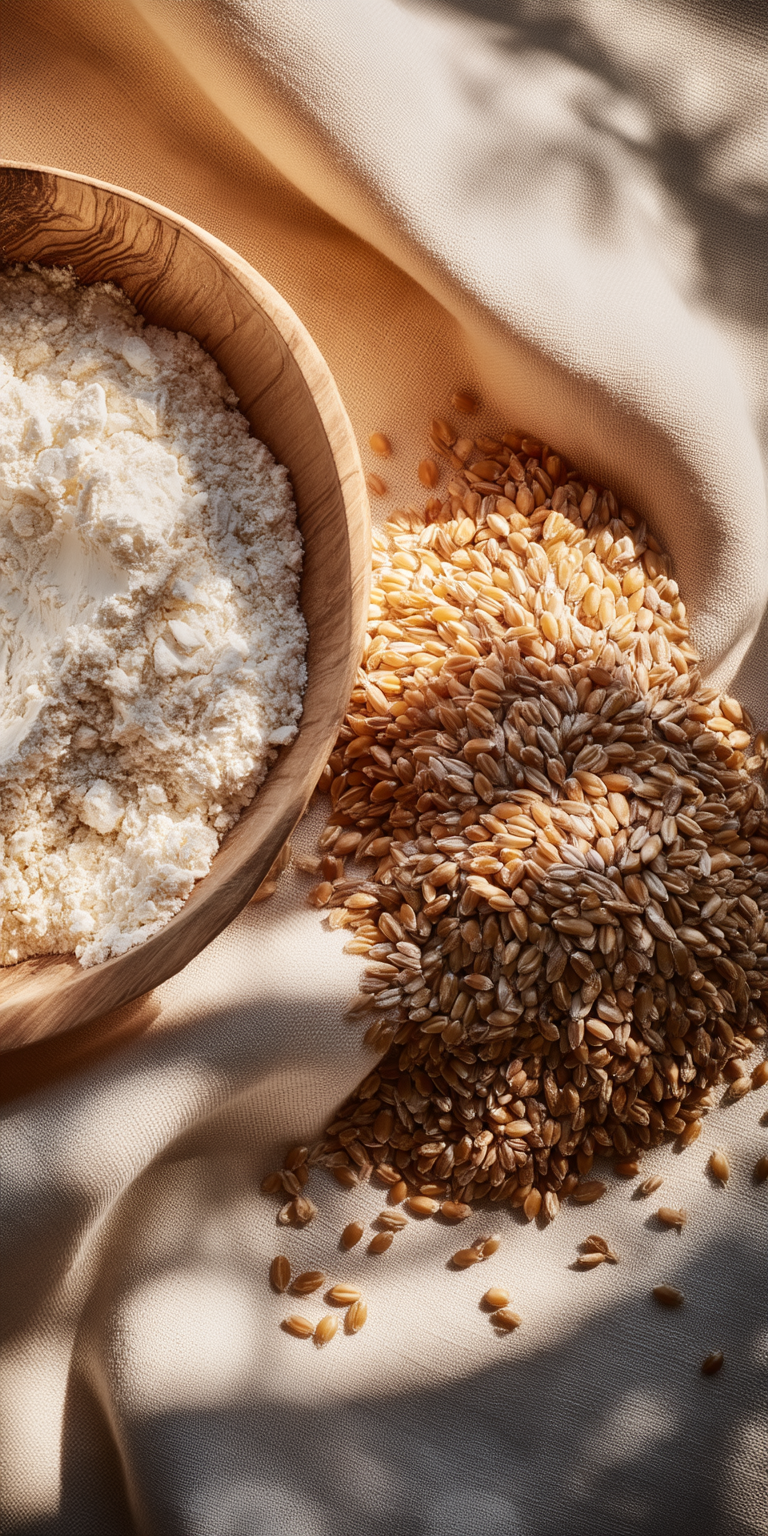
Fresh stone-ground cornmeal is worth buying because it tastes more alive. That also means it deserves better storage than a dusty box forgotten in the back of the cabinet. This guide explains how to keep the flavor, how to handle short-term pantry storage, and when the refrigerator or freezer becomes the smarter move.

Homestead GristmillFreshness Guide
The simple storage rule visual reference1
Kitchen note

The simple storage rule

If you are going to use the bag quickly, a cool, dry pantry works well. Keep it sealed tightly, away from heat, light, and moisture, and avoid storing it near the oven or in any cabinet that runs warm. That short-term setup is usually enough for everyday cooks who bake regularly.

If you buy more than you can use soon, refrigeration or freezing is the better play. Fresh corn products are worth protecting because flavor is part of the value. A colder environment slows the decline and helps the meal keep the aroma and taste that made it worth buying in the first place.

In practice, that means the pantry is for active use, the refrigerator is for the next bag in line, and the freezer is for longer holding. You do not need a complicated system. You just need a routine that matches how fast you actually cook through a bag.
How to tell whether cornmeal is fading visual reference2
Kitchen note

How to tell whether cornmeal is fading

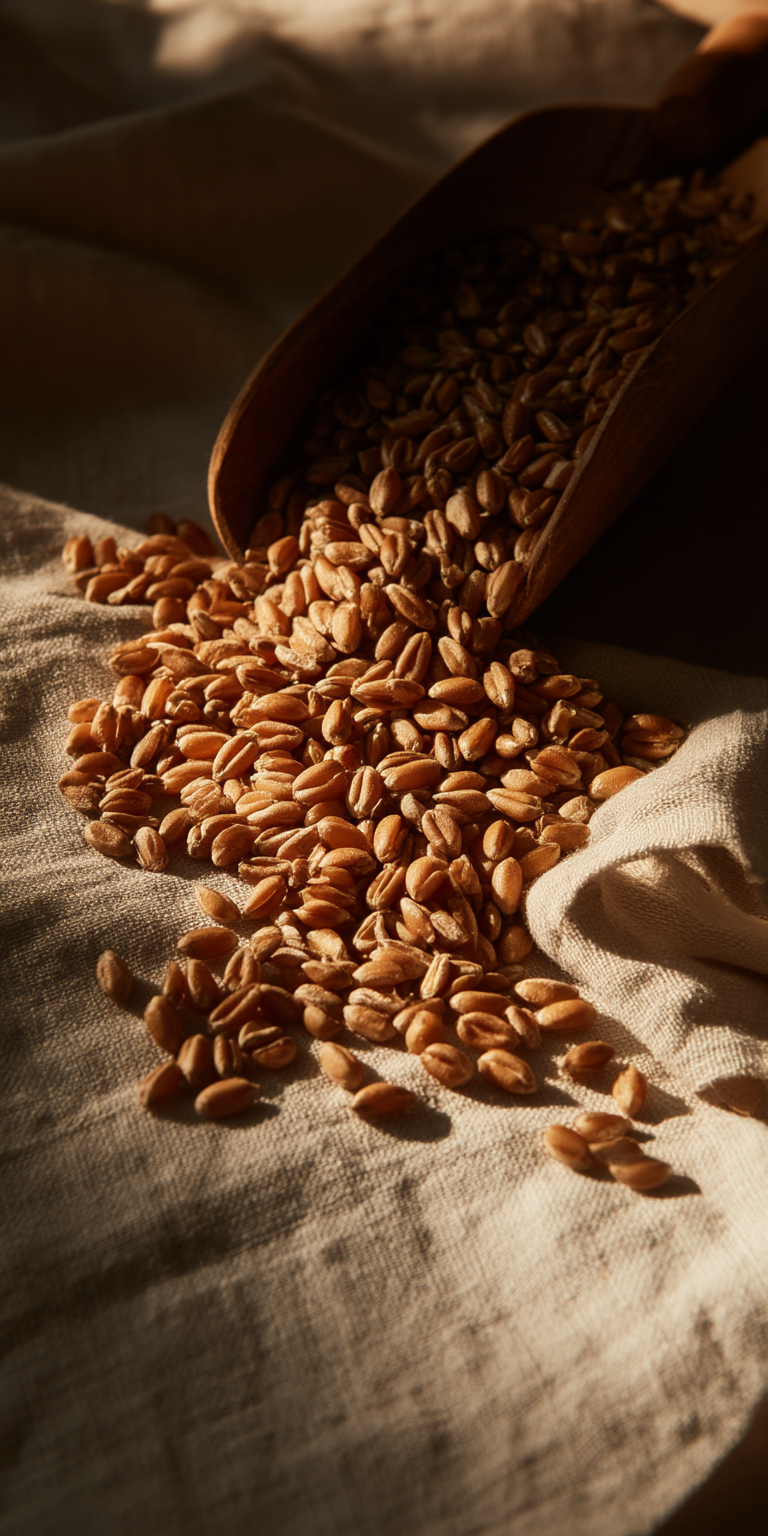
The quickest indicator is aroma. Fresh stone-ground cornmeal should still smell like grain when you open it. If the bag has gone dull, flat, or strangely lifeless, the flavor in the pan will probably follow. That does not always mean it is unsafe. It often means it is no longer performing at the level you bought it for.

Texture can also give you clues. A bag that has picked up moisture or pantry odors is not going to bake as cleanly as one that stayed sealed and cool. The more deliberate your storage is, the more predictable your cornbread, dredges, and spoonable corn dishes become.

A labeled container helps more than people expect. Write the purchase date on the bag or the jar, then move it through the pantry intentionally. That one step keeps you from guessing which bag is freshest and makes it easier to use the best bag for the recipe that matters most.

Shipping, pickup, and real-world routine visual reference3
Kitchen note

Shipping, pickup, and real-world routine

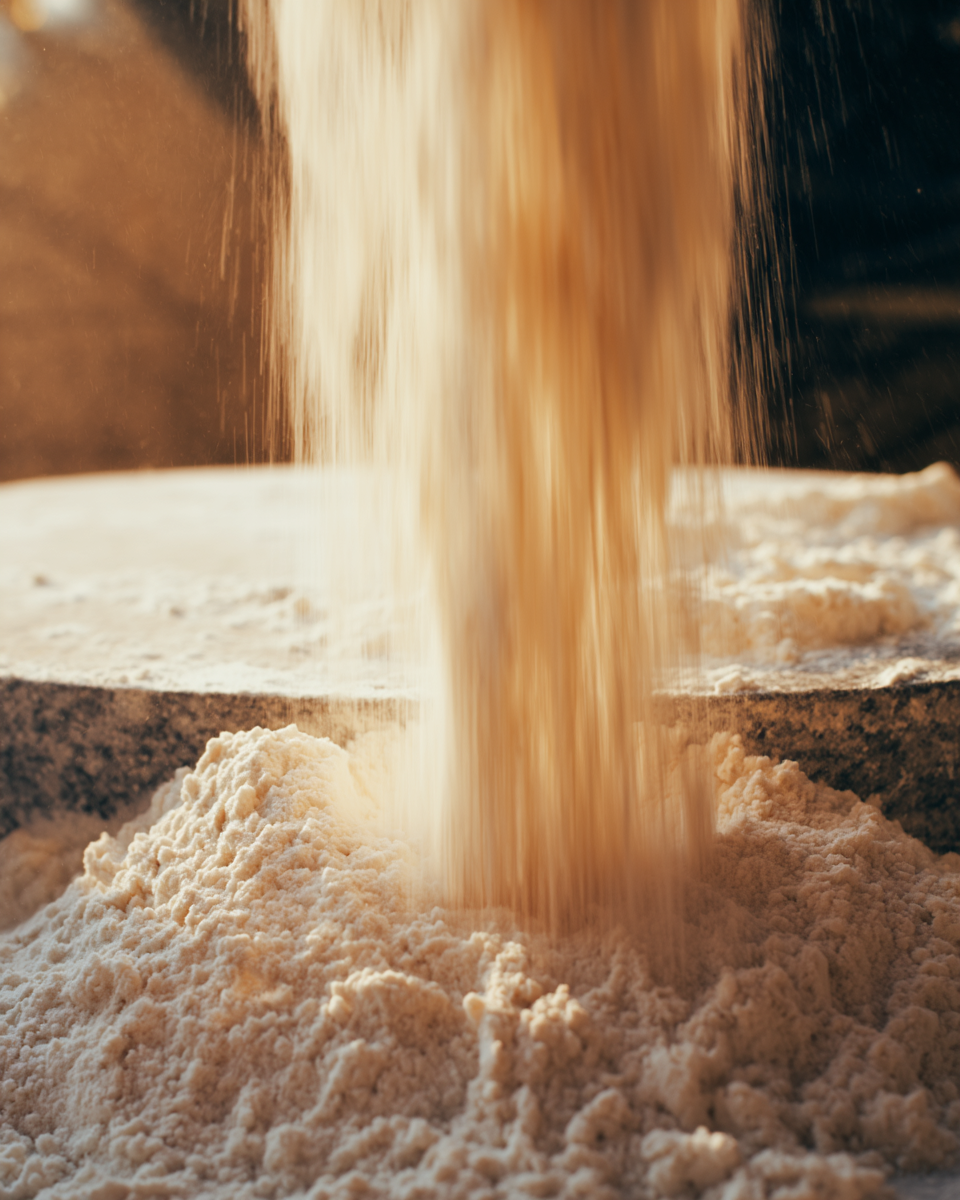
If you are local to Waco, pickup is the cleanest freshness win because it shortens the time between milling and use. If you are shipping, the same storage logic still applies. Bring the bag in promptly, keep it sealed, and move it to cold storage if you are not baking with it right away.

For households that make cornbread regularly, keeping one active bag in the pantry and one reserve bag in the freezer is a practical system. For occasional cooks, freezing the bag right away and only scooping what you need works well. The goal is not ceremony. It is preserving the flavor that makes the product different from a generic shelf-stable option.

This matters because freshness is part of the customer promise. If the meal is sold as fresh, the storage advice should help you keep it that way at home. That makes the product page, the guide page, and the recipes feel consistent instead of disconnected.

Keep going

Stone-Ground Cornmeal vs Regular

FAQCommon questions

01Should stone-ground cornmeal be refrigerated?

If you are not using it quickly, refrigeration or freezing is a smart way to preserve freshness and corn flavor longer.

02How do I store cornmeal after opening?

Seal it tightly and keep it in a cool, dry place for short-term use, or move it to the refrigerator or freezer for longer storage.

03Can I freeze stone-ground cornmeal?

Yes. Freezing is one of the easiest ways to protect flavor when you buy ahead or bake only occasionally.