Older roots
One of the earliest cultivated wheats
Einkorn comes from an older wheat tradition, which gives the launch a real grain story instead of a trend story.
Home / Meet Einkorn
Meet Einkorn
A closer look at the grain, the flavor, the color, and the recipes where it really shines. It also explains why the first run is limited and how the pre-sale works.
What it is
An older-style wheat with a simpler grain structure than modern bread flour.
Why it stands out
Golden color, fuller grain flavor, and a softer baking personality.
Why the drop is limited
The first milling is small, so pre-orders are tied to a fixed early run.
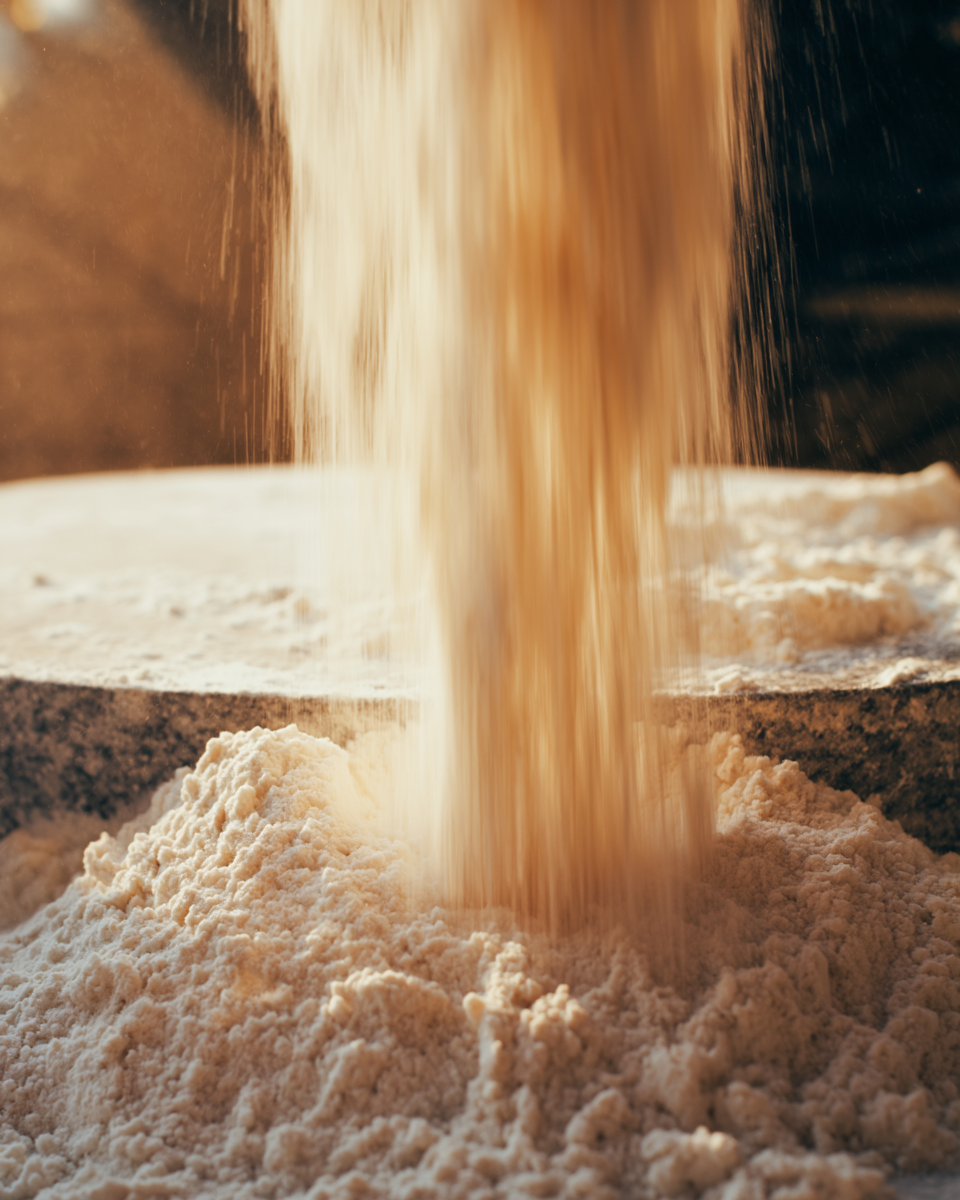
Original grain
Simpler grain structure than modern bread flour
Best for
Tender bakes, flatbreads, pasta, and more
Limited first run
Pre-order timing, gluten note, and what to expect
Original wheat grain
14 chromosomes in einkorn, compared with 42 in modern bread wheat.
Golden from carotenoids
Naturally warm color linked to lutein-rich pigment in the grain.
Nutty, lightly sweet flavor
More aromatic and characterful than neutral white flour.
Contains gluten
Einkorn is wheat and should be treated as a major allergen source.
What makes einkorn different?
It looks more golden, tastes a little fuller, and handles differently than the flour most people are used to. A little context goes a long way before that first bag.
Older roots
Einkorn comes from an older wheat tradition, which gives the launch a real grain story instead of a trend story.
Different makeup
Einkorn keeps a simpler 14-chromosome structure, while modern bread wheat carries 42. That difference belongs in the proof, not the hype.
Different bake
Einkorn is not a personality-free substitute. It tends to behave more gently in the bowl and rewards bakers who treat it like its own flour.
Why bakers keep coming back to einkorn
Best in pancakes, cookies, cakes, pasta, and other recipes where flavor matters as much as structure. Published research points to higher protein and pigment in many einkorn lines, but the real shopper-facing story is what that means in the kitchen: warmer color, fuller flavor, and a gentler baking personality.
Golden hue
naturally warmer color in flour and finished bakes
16.5 g
protein per 100 g in a 2023 breadmaking study of elite einkorn lines
14 vs 42
chromosomes in einkorn compared with modern bread wheat
Research varies by line, growing conditions, and milling style. This launch page uses the literature to explain the grain, not to make gluten-free, celiac-safe, or therapeutic claims.
Carotenoid-rich grain can bring a naturally warmer flour and crumb color without fake wellness language.
Expect a nutty, lightly sweet flavor that feels closer to the grain itself than standard white flour.
It shines where tenderness, aroma, and color matter as much as raw structure.
Best for
Lead with tender bakes, quick breads, flatbreads, and pasta. Rustic yeast bread belongs in the conversation, but it should not be the entire pitch.
A quick note before you buy
We are not marketing it as gluten-free, celiac-safe, or medically therapeutic. The real promise is simpler: older grain, warmer color, deeper flavor, and a baking rhythm that rewards a different approach.
FAQ
No. Einkorn is a wheat and naturally contains gluten, so it is not appropriate for gluten-free baking or for people with celiac disease.
Yes. It is wheat, not a gluten-free grain and not a wheat alternative.
Many einkorn lines carry more carotenoid pigment, including lutein, which can give the flour and finished bakes a warmer golden tone.
Most bakers describe it as nutty, lightly sweet, and fuller in flavor than neutral all-purpose flour.
Not always. Einkorn usually behaves more tenderly, so it often excels in pancakes, cookies, cakes, pastries, flatbreads, pasta, and rustic loaves when you adjust expectations and technique.