01What is the difference between stone-ground flour and regular flour?
Stone-ground flour usually keeps more grain character, aroma, and texture than heavily refined industrial flour, which is why it often tastes fuller in bread and everyday baking.
Stone-ground flour is what many people mean when they want flour with more grain flavor, fresher aroma, and a clearer sense of where it came from. This page brings the main flour families together in one place so you can compare whole wheat, pastry, buckwheat, rye, and other fresh-milled options without bouncing through repetitive category filters.
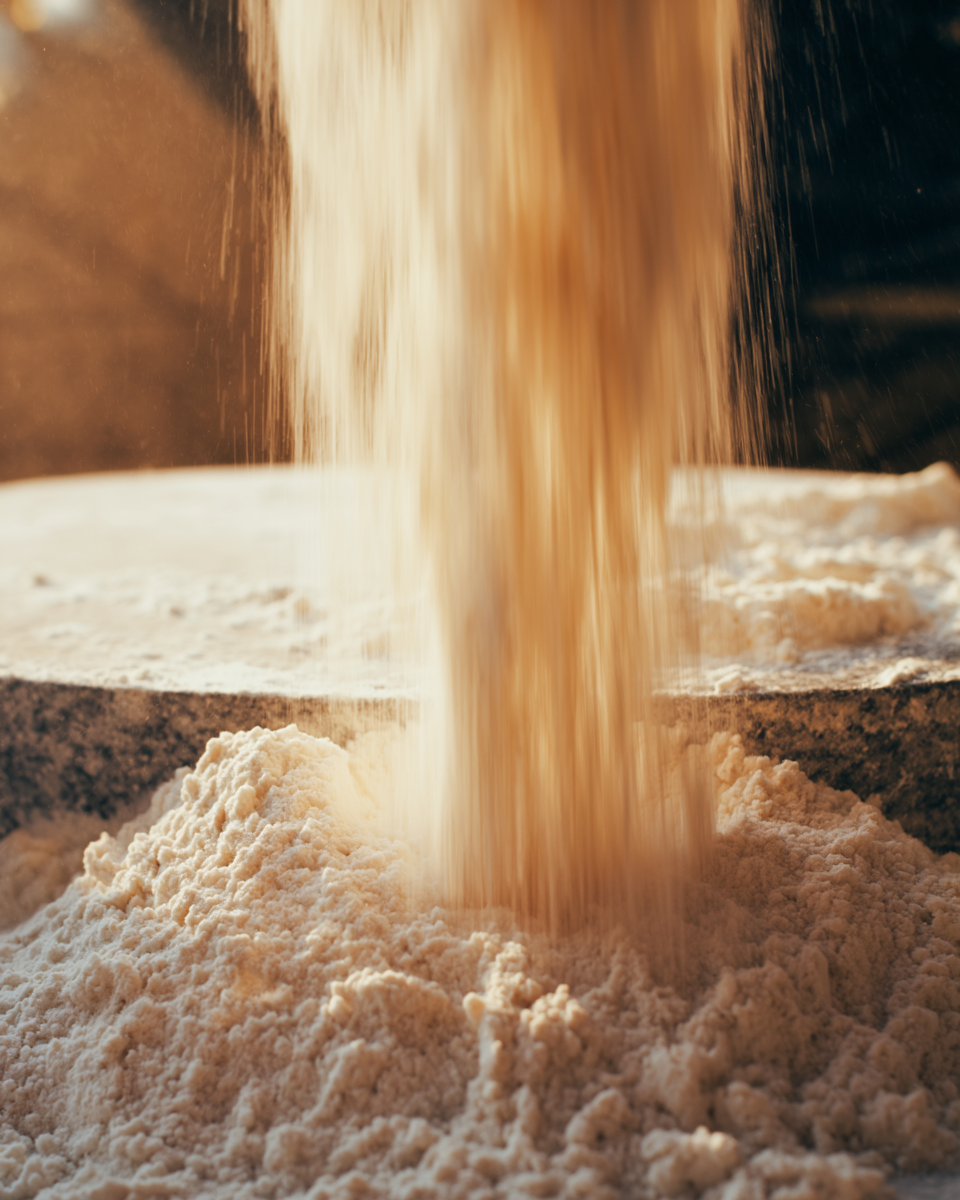
Stone-ground flour is not only about an old-fashioned process. For many bakers, it is about what the flour still carries into the dough: more aroma, more grain flavor, and a little more variation from grain to grain because the flour has not been standardized into something anonymous.
That matters most when the flour is the point of the bake. Sandwich loaves, sourdough, biscuits, pancakes, muffins, and rustic cookies all show the difference more clearly when the flour contributes taste and texture instead of only structure.
This page exists to simplify that buying decision. Instead of making you compare flour one product page at a time, the stone-ground flour guide gathers the main flour routes in one place so you can choose the right family first and drill down after that.
Whole wheat flour is the starting point for many shoppers because it covers the widest range of bread, pancakes, muffins, tortillas, and everyday baking. If you want one lane that feels closest to the Homestead identity, whole wheat is often it.
Buckwheat flour is a flavor-forward specialty option that works especially well in pancakes, crepes, waffles, and blended batters. It is not trying to imitate standard white flour. It is for people who want the grain itself to show up in the finished bake.
Other routes on the site help you compare specialty grains, sifted flour alternatives, and wheat berries for home milling. The main point is that the flour family should match the job: hearty bread, tender pastry, blended batters, or full-control milling at home.
Fresh-milled flour usually behaves a little differently from heavily aged commodity flour. It can absorb water differently, bring more aroma to the bowl, and reward a rest or autolyse step so the bran and germ have time to hydrate properly.
That does not make it harder to use. It simply means you get better results by paying attention to the dough instead of assuming every flour acts the same. For many bakers, that is a feature rather than a hassle because it gives the flour more personality and lets the grain speak more clearly.
Once the bag reaches your kitchen, store it cool and dry and consider refrigeration or freezing if you are buying ahead. Freshness is one of the reasons to seek out stone-ground flour in the first place, so the way you store it matters almost as much as the way it was milled.
Many bakers land here before they know exactly which flour they need. Some are choosing between whole wheat and pastry flour. Others are deciding whether they want berries for home milling instead.
That is why this route links outward to the main flour families, the wheat berry pages, and a few recipes that show how the flour is actually used. The goal is to help you match the flour to the bake, not to make you guess from a list of product names.
If you are ready to buy, jump straight into the linked flour pages above. If you are still comparing options, the supporting guides below will help you narrow the decision and move with a little more confidence.
Stone-ground flour usually keeps more grain character, aroma, and texture than heavily refined industrial flour, which is why it often tastes fuller in bread and everyday baking.
Whole wheat flour is the easiest starting point for many bakers because it covers bread, pancakes, muffins, and daily baking. Buckwheat and other specialty flours are better when you want a more specific flavor profile.
Yes. Freezing is a practical way to protect freshness if you buy more flour than you expect to use in the near term.
You can visit Homestead Gristmill in Waco, Texas for local pickup, or order fresh stone-ground flour online for nationwide shipping.
Use these if you are still comparing grains, flour, recipes, or pickup at the Waco mill.