01Is stone-ground polenta the same as cornmeal?
They are closely related, but polenta usually points to a coarser corn product and a serving style built around creamy or set corn porridge rather than general-purpose cornmeal use.
Stone-ground polenta should taste like real corn and cook into a bowl with enough body to support butter, cheese, braises, greens, roasted vegetables, or a crisp fried egg. If you are deciding between polenta, cornmeal, and grits, this guide walks through the texture, cooking, storage, and serving differences so the right bag is easier to pick.
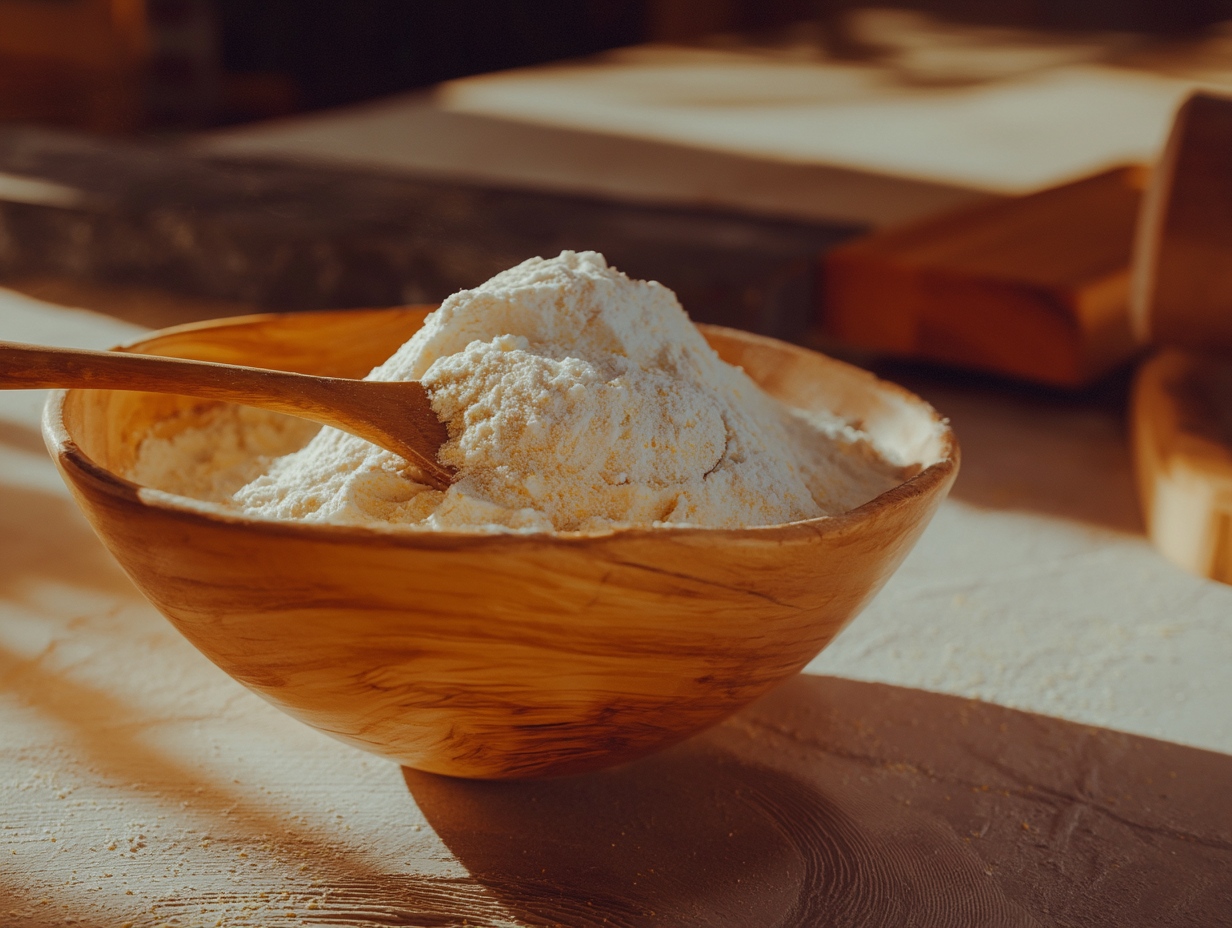
Stone-ground polenta is for cooks who want the corn in the bowl to matter. A more traditional grind carries more aroma, more texture, and a stronger sense that the dish began as grain rather than as a shelf-stable convenience product. That difference is especially noticeable when the polenta is served simply with butter, cheese, broth, braised meat, or roasted vegetables.
The point is not just rustic branding. It is the way the finished dish lands on the spoon. Good stone-ground polenta can be creamy without feeling blank, smooth without feeling overprocessed, and rich enough to anchor a meal rather than just filling space under the main dish.
That is why this page exists instead of asking a single product listing to answer every bigger question. People looking for stone-ground polenta often need context before they decide whether to buy polenta, cornmeal, or grits. This route gives them that context while still pointing clearly to the product page.
Polenta, cornmeal, and grits are neighbors, but they are not always interchangeable in the way people imagine. Cornmeal is the broad family. Grits usually describe a coarser preparation framed by Southern cooking. Polenta usually points to a corn product and serving style associated with creamy bowls and thick, savory corn sides.
That overlap is exactly why it helps to keep the corn pages separate. This page focuses on polenta, the cornmeal page handles the broader family question, and the grits page stays with grits. When you move through them together, the differences become easier to understand.
In the kitchen, the best choice depends on what texture you want to end with. If you want a classic creamy polenta bowl or a thicker savory corn side, the dedicated polenta product is the cleanest path. If you want cornbread or general-purpose meal, the cornmeal guide makes more sense. If you want breakfast or shrimp-and-grits energy, stay with the grits route.
Stone-ground polenta rewards patience the same way stone-ground grits do. Low heat, steady whisking at the beginning, and enough liquid to keep the starch relaxed will take you much farther than trying to rush the pot. A short rest off the heat also helps the final texture come together.
Once cooked, polenta is flexible. Serve it soft and creamy under roasted mushrooms, slow-cooked greens, sausage, tomato sauces, braises, or sharp cheese. Leftovers can also be reheated gently with a splash of liquid or spooned into a hot skillet as a thicker corn side.
For storage, keep the dry product cool and dry, then use refrigeration or freezing if you are buying ahead and want to preserve freshness longer. Stone-ground corn products are worth storing carefully because flavor is part of the purchase, not just the calories.
A good polenta page should connect naturally to the cornmeal guide, the grits guide, and a few recipe or comparison routes that explain where the product fits. That is why the links on this page point back into the broader corn family instead of hiding the product deep in the catalog.
If you are a local shopper, those links also make it easier to plan a mill visit for fresh corn products in or near Waco. If you are ordering online, they give you enough context to move from comparison into checkout without losing track of what you are buying.
Use the product link above when you are ready to order. Use the surrounding pages when you still need to compare formats, cooking methods, or neighboring corn products.
They are closely related, but polenta usually points to a coarser corn product and a serving style built around creamy or set corn porridge rather than general-purpose cornmeal use.
They overlap, but they are usually framed by different corn types, grind styles, and serving traditions. The best choice depends on the texture and dish you want to make.
Yes. You can visit Homestead Gristmill in Waco, Texas for local pickup, or order stone-ground polenta online for nationwide shipping.
Keep it cool and dry, and consider refrigeration or freezing if you are buying ahead and want to protect flavor longer.
Use these if you are still comparing grains, flour, recipes, or pickup at the Waco mill.