The real process difference
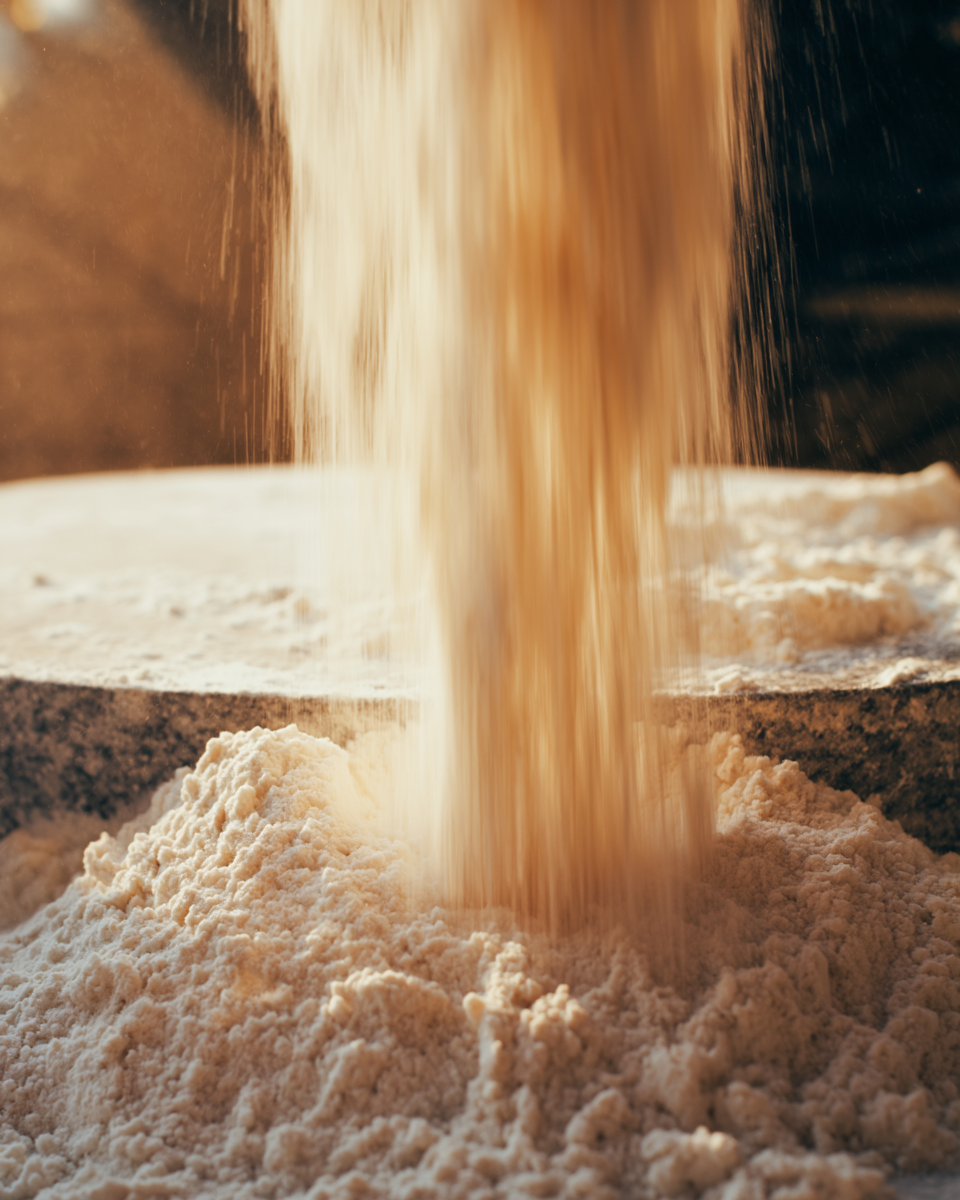
Regular grocery-store cornmeal is often milled for consistency, shelf stability, and speed. That can make it convenient, but it can also flatten the flavor. Stone-ground cornmeal usually keeps more of the grain personality intact, which is why the finished meal tends to smell stronger and taste more distinctly like corn when the bag opens and when it hits the pan.
That difference matters most when the cornmeal is supposed to carry part of the recipe instead of only serving as structure. Cornbread, hush puppies, skillet cakes, dredges, and spoonable corn dishes all make the contrast easier to notice because the grain is not hidden behind heavy sweeteners or strong flavorings. When the cornmeal is fresher and less anonymous, the recipe feels more deliberate from the first bite.
People sometimes assume “stone-ground” only describes nostalgia or texture, but it is really a signal about how expressive the final ingredient tends to be. If you want the bag to behave like a living pantry staple instead of a neutral starch, the milling method is one of the clearest reasons to choose it.
Flavor, texture, and cornbread performance
In cornbread, stone-ground cornmeal usually gives you more aroma, more visible crumb variation, and more corn flavor after baking. The batter can feel a little more substantial, and the finished pan often reads as richer and more satisfying because the meal is not trying to disappear into the background. That is why cooks who care about cast-iron cornbread often end up preferring it.
Regular cornmeal still has a place when convenience, predictability, or a very even texture matters more than flavor depth. It can be perfectly fine for straightforward baking, especially when the recipe is heavily sweetened or when the corn component is not meant to dominate the dish. The tradeoff is that it usually brings less personality.
So if the question is “Which one makes better cornbread?” the answer is usually stone-ground when flavor is the priority. If the question is “Which one is easiest to find and easiest to treat like a generic pantry ingredient?” regular cornmeal wins that round. The right choice depends on whether you want a recipe to work or a recipe to taste memorable.
When to buy each one
Buy stone-ground cornmeal when you are baking for flavor, cooking for people who notice grain quality, or trying to make an obvious upgrade from a flat grocery-store bag. It is the stronger fit for cornbread, dredging, spoon bread, skillet baking, polenta-style cooking, and menus where the corn itself should be tasted.
Buy regular cornmeal when long shelf life, easy replacement, and maximum convenience are the bigger priorities. For some kitchens that is perfectly rational. Not every recipe needs the better ingredient. But if you came here because your cornbread has been dull, crumbly, or strangely bland, stone-ground is usually the cleaner fix.
Once you choose the better bag, storage becomes part of the quality equation. Keep fresh meal cool and dry, and use the refrigerator or freezer when you are buying ahead. That small habit protects the flavor advantage you paid for and keeps the bag performing like the ingredient you intended to buy.